
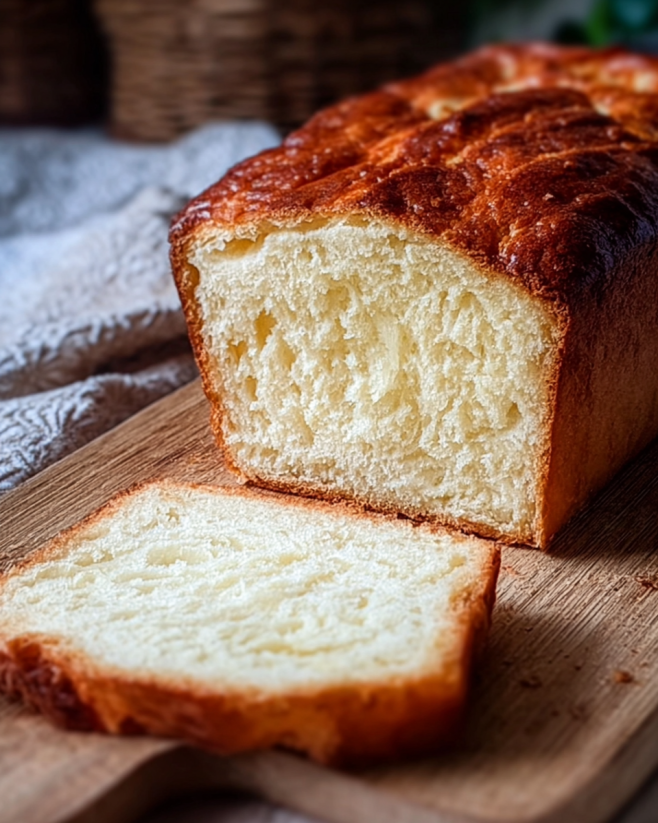
Introduction to Yogurt Bread Recipe
What is Yogurt Bread?
Yogurt bread is a delightful and nutritious alternative to traditional bread. This unique recipe incorporates Greek yogurt, which adds moisture and a rich flavor. The result is a soft, fluffy loaf that is perfect for various meals. Yogurt bread is not only easy to make but also offers a wonderful twist on classic bread recipes. It can be enjoyed warm, toasted, or even as a base for sandwiches. With its simple ingredients and straightforward preparation, yogurt bread is a fantastic option for both novice and experienced bakers alike.
Benefits of Using Yogurt in Bread
Using yogurt in bread recipes comes with several benefits. First, yogurt adds moisture, which helps create a tender crumb. This means your bread will be soft and enjoyable to eat. Additionally, yogurt is a great source of protein and calcium, making your bread more nutritious. The probiotics found in yogurt can also aid digestion, promoting gut health. Furthermore, yogurt can enhance the flavor of your bread, giving it a slight tang that pairs well with various toppings. Overall, incorporating yogurt into your bread recipe not only improves texture and taste but also boosts its health benefits.
Ingredients for Yogurt Bread Recipe
To create a delicious yogurt bread, you’ll need a few simple ingredients. Each component plays a vital role in achieving the perfect texture and flavor. Here’s what you’ll need:
- 2 cups plain Greek yogurt
- 1 cup almond flour
- 1 cup shredded mozzarella cheese
- 2 large eggs
- 1 teaspoon baking powder
- 1 teaspoon garlic powder
- 1 teaspoon onion powder
- 1 teaspoon salt
- 1 tablespoon olive oil
These ingredients come together to create a moist and flavorful bread. The Greek yogurt is the star of the show, providing moisture and a slight tang. Almond flour adds a nutty flavor and keeps the bread gluten-free. Shredded mozzarella cheese gives the bread a delightful cheesy texture, while the eggs help bind everything together. The baking powder ensures the bread rises nicely, and the garlic and onion powders add a savory touch. Finally, a bit of salt enhances all the flavors, and olive oil adds richness.
Feel free to experiment with these ingredients. For instance, you can substitute half of the almond flour with coconut flour for a different texture. You can also add herbs or spices to customize the flavor to your liking. With these ingredients, you’re well on your way to baking a delicious loaf of yogurt bread!
Step-by-Step Preparation of Yogurt Bread Recipe
Step 1: Gather Your Ingredients
Before you start baking, it’s essential to gather all your ingredients. This makes the process smoother and more enjoyable. Make sure you have:
- 2 cups plain Greek yogurt
- 1 cup almond flour
- 1 cup shredded mozzarella cheese
- 2 large eggs
- 1 teaspoon baking powder
- 1 teaspoon garlic powder
- 1 teaspoon onion powder
- 1 teaspoon salt
- 1 tablespoon olive oil
Having everything ready will help you focus on mixing and baking. Plus, it’s a great way to ensure you don’t forget any ingredients!
Step 2: Prepare the Dough
Now that you have your ingredients, it’s time to prepare the dough. In a large mixing bowl, combine the Greek yogurt, almond flour, shredded mozzarella cheese, and eggs. Then, add the baking powder, garlic powder, onion powder, salt, and olive oil. Use a spatula or a wooden spoon to mix everything together.
Keep mixing until a dough forms. It should be thick and slightly sticky. If it feels too dry, you can add a little more yogurt. This dough is what makes your yogurt bread so special!
Step 3: Knead the Dough
Once your dough is mixed, it’s time to knead it. Lightly flour a clean surface to prevent sticking. Turn the dough out onto the floured surface and knead it gently for about 2-3 minutes. This helps develop the texture of the bread. You want it to be smooth and elastic, but don’t over-knead it. Just enough to bring it together nicely!
Step 4: Let the Dough Rise
After kneading, place the dough back into the mixing bowl. Cover it with a clean kitchen towel or plastic wrap. Let it rest for about 10-15 minutes. This short resting period allows the dough to relax, making it easier to shape later. While you wait, you can preheat your oven to 350°F if you haven’t done so already.
Step 5: Shape the Bread
Once the dough has rested, it’s time to shape it. Lightly grease your 9×5-inch loaf pan with cooking spray or olive oil. Transfer the dough into the pan, smoothing the top with a spatula. Make sure it’s evenly distributed in the pan. This will help it bake evenly and rise beautifully!
Step 6: Bake the Bread
Now comes the exciting part—baking! Place the loaf pan in the preheated oven. Bake for 30-35 minutes, or until the top is golden brown. To check if it’s done, insert a toothpick into the center. If it comes out clean, your yogurt bread is ready! Once baked, remove it from the oven and let it cool in the pan for about 10 minutes. Then, transfer it to a wire rack to cool completely.
And there you have it! Your homemade yogurt bread is ready to be sliced and enjoyed. It’s a simple process that yields delicious results!
Variations of Yogurt Bread Recipe
Adding Herbs and Spices
One of the best things about yogurt bread is its versatility. You can easily customize the flavor by adding herbs and spices. For instance, consider mixing in fresh or dried herbs like rosemary, thyme, or basil. These herbs can elevate the taste and aroma of your bread, making it even more delightful.
Additionally, spices such as paprika, cumin, or even a pinch of chili powder can add a unique twist. If you enjoy a bit of heat, try adding red pepper flakes. Just remember to adjust the amount based on your taste preferences. Mixing in these ingredients not only enhances the flavor but also makes your yogurt bread a standout dish at any meal.
Incorporating Cheese or Vegetables
Another fantastic way to vary your yogurt bread is by incorporating different types of cheese or vegetables. While mozzarella cheese adds a lovely texture, you can experiment with other cheeses like cheddar, feta, or even pepper jack for a spicy kick. Each cheese brings its own flavor profile, allowing you to create a bread that suits your taste.
Vegetables are also a great addition. Finely chopped spinach, sun-dried tomatoes, or bell peppers can add color and nutrition. Just make sure to squeeze out any excess moisture from vegetables to prevent the dough from becoming too wet. These variations not only make your yogurt bread more interesting but also boost its nutritional value, making it a wholesome choice for any meal.
Cooking Note for Yogurt Bread Recipe
When it comes to baking yogurt bread, a few cooking notes can help ensure your success. First, always use fresh ingredients. This is especially important for the Greek yogurt and baking powder, as freshness impacts the rise and flavor of your bread. If your baking powder is old, it may not provide the lift you need, resulting in a denser loaf.
Next, be mindful of the temperature of your ingredients. Room temperature eggs mix more easily into the dough, creating a smoother texture. If you forget to take your eggs out ahead of time, you can place them in warm water for a few minutes to bring them to room temperature quickly.
Another tip is to monitor your oven temperature. Ovens can vary, so it’s a good idea to use an oven thermometer to ensure accuracy. If your oven runs hot, your bread may brown too quickly on the outside while remaining undercooked inside. If this happens, you can cover the top with aluminum foil to prevent over-browning while allowing the inside to bake through.
Lastly, let your yogurt bread cool completely before slicing. This helps the bread set and makes it easier to cut without crumbling. If you slice it too soon, you might end up with a messy loaf. Patience is key here! Enjoy the delightful aroma as it cools, and get ready to savor your delicious creation.
Cooking Note for Yogurt Bread Recipe
When it comes to baking yogurt bread, a few cooking notes can help ensure your success. First, always use fresh ingredients. This is especially important for the Greek yogurt and baking powder, as freshness impacts the rise and flavor of your bread. If your baking powder is old, it may not provide the lift you need, resulting in a denser loaf.
Next, be mindful of the temperature of your ingredients. Room temperature eggs mix more easily into the dough, creating a smoother texture. If you forget to take your eggs out ahead of time, you can place them in warm water for a few minutes to bring them to room temperature quickly.
Another tip is to monitor your oven temperature. Ovens can vary, so it’s a good idea to use an oven thermometer to ensure accuracy. If your oven runs hot, your bread may brown too quickly on the outside while remaining undercooked inside. If this happens, you can cover the top with aluminum foil to prevent over-browning while allowing the inside to bake through.
Lastly, let your yogurt bread cool completely before slicing. This helps the bread set and makes it easier to cut without crumbling. If you slice it too soon, you might end up with a messy loaf. Patience is key here! Enjoy the delightful aroma as it cools, and get ready to savor your delicious creation.
Serving Suggestions for Yogurt Bread Recipe
Pairing with Dips and Spreads
Yogurt bread is incredibly versatile and pairs wonderfully with a variety of dips and spreads. Its soft texture and mild flavor make it an excellent companion for both savory and sweet toppings. For a delightful appetizer, consider serving it with hummus or tzatziki. These dips not only complement the bread but also add a refreshing taste.
If you prefer something richer, try spreading cream cheese or a herbed cheese spread on top. You can also make a simple avocado spread by mashing ripe avocados with a pinch of salt and lemon juice. This combination is not only delicious but also packed with healthy fats.
For a sweet treat, yogurt bread can be enjoyed with fruit preserves or honey. A smear of almond butter or peanut butter can also make for a satisfying snack. The options are endless, so feel free to get creative with your favorite dips and spreads!
Using Yogurt Bread in Sandwiches
Yogurt bread makes a fantastic base for sandwiches. Its sturdy yet soft structure holds up well to various fillings. For a classic option, layer slices of turkey or chicken with lettuce, tomato, and your favorite condiments. This creates a hearty and nutritious meal that’s perfect for lunch.
If you’re in the mood for something different, try a Mediterranean-inspired sandwich. Fill your yogurt bread with roasted vegetables, feta cheese, and a drizzle of balsamic glaze. This combination is not only flavorful but also colorful and appealing.
For a vegetarian option, consider a caprese sandwich with fresh mozzarella, tomatoes, basil, and a splash of olive oil. The yogurt bread’s cheesy flavor enhances the overall taste, making it a delightful choice for any sandwich lover.
Whether you enjoy it with dips or as part of a sandwich, yogurt bread is sure to impress. Its versatility allows you to explore various flavor combinations, making every meal exciting!
Tips for Perfecting Your Yogurt Bread Recipe
To ensure your yogurt bread turns out perfectly every time, consider these helpful tips. Each suggestion can enhance the flavor, texture, and overall success of your baking experience.
First, always measure your ingredients accurately. Using a kitchen scale can help you get precise measurements, especially for the almond flour. Too much flour can lead to a dry loaf, while too little can make it too wet. Consistency is key!
Next, don’t skip the kneading step. Kneading helps develop gluten, which gives the bread its structure. However, be gentle and avoid over-kneading. Just a few minutes will do the trick. You want the dough to be smooth and elastic, not tough.
Another important tip is to let your dough rest. This resting period allows the gluten to relax, making it easier to shape. It also helps improve the texture of the bread. So, be patient and give it that time!
When baking, keep an eye on the bread as it cooks. Ovens can vary, so check for doneness a few minutes before the suggested baking time. If the top is browning too quickly, cover it with aluminum foil to prevent burning.
Lastly, experiment with flavors! Don’t hesitate to try different herbs, spices, or cheeses. Each variation can create a unique twist on your yogurt bread. This way, you can enjoy a new taste every time you bake!
By following these tips, you’ll be well on your way to mastering the art of yogurt bread. Happy baking!
Breakdown of Time for Yogurt Bread Recipe
Prep Time
Preparing your yogurt bread is a quick and straightforward process. The prep time typically takes about 15-20 minutes. This includes gathering your ingredients, mixing the dough, and kneading it. If you have everything ready, you can whip up the dough in no time!
Cooking Time
Once your dough is ready and shaped, it’s time to bake! The cooking time for yogurt bread is approximately 30-35 minutes. During this time, the bread will rise and develop a beautiful golden crust. Keep an eye on it towards the end to ensure it doesn’t over-brown.
Total Time
In total, you can expect the entire process—from prep to baking—to take around 50-60 minutes. This makes yogurt bread a fantastic option for a quick homemade treat. Whether you’re preparing it for breakfast, lunch, or dinner, you’ll have a delicious loaf ready in under an hour!
Nutritional Information for Yogurt Bread Recipe
Calories
When it comes to enjoying yogurt bread, being mindful of its caloric content is essential. Each serving of this delightful bread contains approximately 120 calories. This makes it a relatively low-calorie option compared to many traditional bread varieties. You can enjoy a slice without feeling guilty, making it a great addition to your meals or snacks.
Protein
Yogurt bread is not only tasty but also a good source of protein. Each serving provides about 8 grams of protein. This protein content comes primarily from the Greek yogurt and eggs used in the recipe. Protein is vital for building and repairing tissues, making this bread a nutritious choice for those looking to increase their protein intake.
Sodium
In terms of sodium, each serving of yogurt bread contains around 200 milligrams. This level is moderate, making it suitable for most diets. However, if you are watching your sodium intake, you can adjust the salt in the recipe to suit your needs. Keeping an eye on sodium levels is important for maintaining overall health, especially for those with specific dietary restrictions.
Overall, yogurt bread is a nutritious option that combines flavor and health benefits. With its balanced calorie count, protein content, and moderate sodium levels, it can fit well into a healthy diet. Enjoy this delicious bread as part of your meals, knowing you’re making a wholesome choice!
FAQs about Yogurt Bread Recipe
Can I use any type of yogurt for this recipe?
While the recipe specifically calls for plain Greek yogurt, you can use other types of yogurt as well. However, keep in mind that Greek yogurt is thicker and creamier, which contributes to the bread’s texture. If you choose regular yogurt, the bread may turn out slightly less dense. Just make sure to avoid flavored yogurts, as they can alter the taste of your bread.
How can I store leftover yogurt bread?
Storing leftover yogurt bread is simple! Allow the bread to cool completely before wrapping it. You can use plastic wrap or aluminum foil to keep it fresh. Store it at room temperature for up to 2 days. If you want to keep it longer, consider placing it in the refrigerator, where it can last for about a week. Just remember to reheat slices in the toaster or microwave for the best taste!
Is yogurt bread suitable for freezing?
Yes, yogurt bread freezes beautifully! To freeze, slice the bread and wrap each slice individually in plastic wrap. Then, place the wrapped slices in a freezer-safe bag or container. This way, you can easily grab a slice whenever you want. Yogurt bread can be frozen for up to 3 months. When you’re ready to enjoy it, simply thaw it in the refrigerator or toast it directly from the freezer.
What can I substitute for yogurt in this recipe?
If you need a substitute for yogurt, there are a few options you can try. Sour cream is a great alternative, as it has a similar texture and tangy flavor. You can also use buttermilk or a dairy-free yogurt if you’re looking for a non-dairy option. Just keep in mind that the flavor and texture may vary slightly, but your bread will still be delicious!
Conclusion on Yogurt Bread Recipe
In conclusion, yogurt bread is a delightful and nutritious option that brings a unique twist to traditional bread recipes. With its simple ingredients and easy preparation, it’s perfect for both novice and experienced bakers. The use of Greek yogurt not only enhances the flavor but also adds moisture and nutritional benefits, making each slice a wholesome choice.
Whether you enjoy it warm, toasted, or as a base for sandwiches, yogurt bread is incredibly versatile. You can customize it with various herbs, spices, cheeses, or vegetables to suit your taste preferences. This adaptability allows you to create a unique loaf every time you bake, keeping your meals exciting and flavorful.
Moreover, the nutritional profile of yogurt bread makes it a smart addition to your diet. With moderate calories, a good amount of protein, and manageable sodium levels, it fits well into a balanced eating plan. Plus, it’s easy to store and freeze, ensuring you can enjoy it whenever you like.
So, why not give this yogurt bread recipe a try? Gather your ingredients, follow the steps, and enjoy the delightful aroma of freshly baked bread wafting through your kitchen. You’ll be amazed at how simple it is to create a delicious loaf that your family and friends will love. Happy baking!
Yogurt Bread
Ingredients
Equipment
Method
- Gather all your ingredients.
- Prepare the dough by mixing Greek yogurt, almond flour, shredded mozzarella cheese, and eggs, then add baking powder, garlic powder, onion powder, salt, and olive oil.
- Knead the dough gently for about 2-3 minutes on a floured surface.
- Let the dough rise for about 10-15 minutes.
- Shape the bread and place it in a greased loaf pan.
- Bake in a preheated oven for 30-35 minutes until golden brown.
- Let the bread cool in the pan for about 10 minutes before transferring to a wire rack.
