
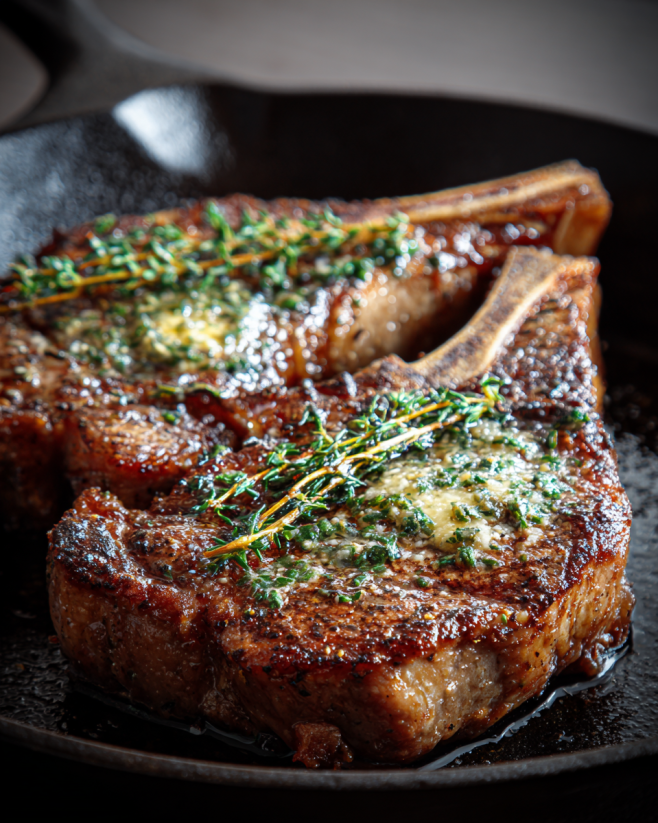
Introduction to Butter-Basted Thyme Steak
Are you ready to elevate your steak game? Butter-basted thyme steak is a delightful dish that combines rich flavors and a tender texture. This cooking method not only enhances the taste but also adds a beautiful golden crust to the steak. Imagine the aroma of sizzling butter and fresh thyme filling your kitchen. It’s enough to make anyone’s mouth water!
Cooking steak can seem intimidating, but with the right technique, it becomes a simple and rewarding experience. The butter basting method is a favorite among chefs for a reason. It keeps the meat juicy while infusing it with flavor. Plus, the addition of thyme and garlic creates a savory profile that complements the steak perfectly.
This recipe is perfect for a special occasion or a cozy dinner at home. Whether you’re a seasoned cook or just starting, you’ll find that making butter-basted thyme steak is both fun and satisfying. In this article, we’ll guide you through the ingredients, preparation steps, and tips to ensure your steak turns out perfectly every time.
So, grab your apron and let’s dive into the world of butter-basted thyme steak. You’ll soon impress your family and friends with this delicious dish!
Ingredients for Butter-Basted Thyme Steak
To create a mouthwatering butter-basted thyme steak, you’ll need a few simple yet high-quality ingredients. Each component plays a vital role in achieving that rich flavor and tender texture. Here’s what you’ll need:
- 1 ½ pounds ribeye steak: This cut is known for its marbling, which adds flavor and juiciness. Aim for a steak that is about 1 inch thick for the best results.
- 2 tablespoons unsalted butter: Butter is essential for basting. It adds richness and helps create a beautiful crust.
- 3 sprigs fresh thyme: Fresh thyme brings a lovely herbal note to the dish. It pairs wonderfully with the beef.
- 2 cloves garlic: Smashed garlic infuses the butter with flavor. It adds a savory depth that enhances the overall taste.
- Salt and pepper: These basic seasonings are crucial. They enhance the natural flavors of the steak.
- 1 tablespoon olive oil: Olive oil helps to sear the steak and prevents it from sticking to the skillet.
With these ingredients on hand, you’re well on your way to creating a delicious butter-basted thyme steak. Remember, using fresh herbs and quality meat can make a significant difference in the final dish. Now that you have your ingredients ready, let’s move on to the preparation steps!
Preparation of Butter-Basted Thyme Steak
Now that you have gathered all the ingredients, it’s time to prepare your butter-basted thyme steak. This process is straightforward and will ensure that your steak turns out juicy and flavorful. Follow these steps to achieve the best results.
Step 1: Selecting the Right Cut of Steak
Choosing the right cut of steak is crucial for a delicious meal. Ribeye steak is an excellent choice due to its marbling, which keeps the meat tender and juicy. Look for a steak that is about 1 inch thick. This thickness allows for a perfect sear while keeping the inside nice and pink. If you prefer a leaner cut, consider using filet mignon or sirloin. Each cut has its unique flavor and texture, so pick one that suits your taste!
Step 2: Seasoning the Steak
Once you have your steak, it’s time to season it. Pat the steak dry with paper towels to remove excess moisture. This step is essential for achieving a good sear. Next, generously sprinkle salt and pepper on both sides of the steak. The seasoning enhances the natural flavors of the meat, making it even more delicious. Don’t be shy with the salt; it helps to create a flavorful crust!
Step 3: Searing the Steak
Heat a cast-iron skillet over medium-high heat until it’s very hot. Add 1 tablespoon of olive oil to the skillet and swirl it around to coat the bottom. Carefully place the seasoned steak in the skillet. Let it sear for 4-5 minutes without moving it. This allows a beautiful crust to form. The sizzling sound is music to your ears, indicating that the steak is cooking perfectly!
Step 4: Adding Butter and Thyme
After searing one side, it’s time to flip the steak. Add 2 tablespoons of unsalted butter, 3 sprigs of fresh thyme, and 2 smashed garlic cloves to the skillet. As the butter melts, use a spoon to baste the steak with the melted butter. This process infuses the meat with flavor and keeps it moist. Continue basting for about 3-4 minutes for medium-rare, or until it reaches your desired doneness. The aroma of thyme and garlic will fill your kitchen, making it hard to resist!
Step 5: Finishing the Cooking Process
Once the steak is cooked to your liking, remove it from the skillet and let it rest for 5-10 minutes. Resting allows the juices to redistribute throughout the meat, ensuring every bite is juicy and flavorful. After resting, slice the steak against the grain for the best texture. Serve it with the buttery thyme sauce drizzled on top, and enjoy your delicious creation!
Variation of Butter-Basted Thyme Steak
While the classic butter-basted thyme steak is a delight on its own, there are many ways to add your personal touch. Variations can enhance the flavor profile or cater to different tastes. Here are some ideas to consider:
Alternative Herbs and Seasonings
Thyme is a fantastic herb, but don’t hesitate to experiment! You can substitute rosemary for a more robust flavor. Basil or parsley can also work well, adding a fresh twist. For a bit of heat, consider adding crushed red pepper flakes or a dash of cayenne pepper. If you enjoy smoky flavors, a pinch of smoked paprika can elevate the dish even further. The key is to find herbs and spices that complement the rich taste of the steak.
Different Cuts of Steak to Use
Ribeye is a popular choice, but there are other cuts that can shine in this recipe. Filet mignon is tender and buttery, making it a luxurious option. Sirloin is leaner but still flavorful, perfect for those who prefer less fat. T-bone or porterhouse steaks offer a combination of tenderness and flavor, giving you the best of both worlds. Each cut brings its unique characteristics, so feel free to choose based on your preference!
Cooking Note for Butter-Basted Thyme Steak
When cooking your butter-basted thyme steak, remember that timing is essential. The thickness of the steak and the heat of your skillet can affect cooking time. Always use a meat thermometer to check for doneness. For medium-rare, aim for an internal temperature of 130°F to 135°F. This ensures a juicy and tender steak. If you prefer it more well-done, adjust the cooking time accordingly. Patience is key, so don’t rush the process!
Serving Suggestions for Butter-Basted Thyme Steak
Once your butter-basted thyme steak is ready, it’s time to think about what to serve alongside it. The right sides can elevate your meal and create a well-rounded dining experience.
Ideal Side Dishes
Classic sides like mashed potatoes or roasted vegetables pair beautifully with steak. A fresh salad with a tangy vinaigrette can add a refreshing contrast. For a heartier option, consider creamy polenta or garlic bread. Grilled asparagus or sautéed green beans also make excellent accompaniments. Choose sides that complement the rich flavors of the steak while adding variety to your plate!
Wine Pairings
To enhance your dining experience, consider pairing your butter-basted thyme steak with a good wine. A full-bodied red wine, like Cabernet Sauvignon or Malbec, works wonderfully with the richness of the steak. If you prefer white wine, a buttery Chardonnay can also be a delightful choice. The right wine can elevate the flavors and make your meal even more enjoyable!
Variation of Butter-Basted Thyme Steak
While the classic butter-basted thyme steak is a delight on its own, there are many ways to add your personal touch. Variations can enhance the flavor profile or cater to different tastes. Here are some ideas to consider:
Alternative Herbs and Seasonings
Thyme is a fantastic herb, but don’t hesitate to experiment! You can substitute rosemary for a more robust flavor. Basil or parsley can also work well, adding a fresh twist. For a bit of heat, consider adding crushed red pepper flakes or a dash of cayenne pepper. If you enjoy smoky flavors, a pinch of smoked paprika can elevate the dish even further. The key is to find herbs and spices that complement the rich taste of the steak.
Another option is to use a blend of herbs. A mix of oregano, sage, and thyme can create a delightful aroma. You might also try adding a splash of Worcestershire sauce or soy sauce to the butter for an umami kick. These small changes can make a big difference in flavor, allowing you to customize your steak to your liking.
Different Cuts of Steak to Use
Ribeye is a popular choice, but there are other cuts that can shine in this recipe. Filet mignon is tender and buttery, making it a luxurious option. Sirloin is leaner but still flavorful, perfect for those who prefer less fat. T-bone or porterhouse steaks offer a combination of tenderness and flavor, giving you the best of both worlds. Each cut brings its unique characteristics, so feel free to choose based on your preference!
For a more budget-friendly option, flank steak or skirt steak can also be used. These cuts are flavorful and can be very tender when cooked properly. Just remember to slice them against the grain for the best texture. No matter which cut you choose, the butter-basting technique will enhance the natural flavors, making your steak a hit!
Cooking Note for Butter-Basted Thyme Steak
When cooking your butter-basted thyme steak, timing is everything. The thickness of the steak and the heat of your skillet can greatly affect cooking time. Always use a meat thermometer to check for doneness. For medium-rare, aim for an internal temperature of 130°F to 135°F. This ensures a juicy and tender steak that melts in your mouth.
If you prefer your steak more well-done, adjust the cooking time accordingly. For medium, look for an internal temperature of 140°F to 145°F. For medium-well, aim for 150°F to 155°F, and for well-done, go for 160°F or higher. Remember, the steak will continue to cook slightly after you remove it from the skillet, so it’s wise to take it off the heat just before it reaches your desired temperature.
Another important tip is to let the steak rest after cooking. This resting period allows the juices to redistribute throughout the meat, ensuring every bite is flavorful and moist. A good rule of thumb is to let it rest for about 5-10 minutes. Cover it loosely with foil to keep it warm while it rests.
Lastly, don’t rush the process! Cooking steak is an art that requires patience. Enjoy the sizzling sounds and the delicious aromas filling your kitchen. With these tips in mind, you’ll be well on your way to mastering the perfect butter-basted thyme steak!
Serving Suggestions for Butter-Basted Thyme Steak
Once your butter-basted thyme steak is ready, it’s time to think about what to serve alongside it. The right sides can elevate your meal and create a well-rounded dining experience.
Ideal Side Dishes
Classic sides like mashed potatoes or roasted vegetables pair beautifully with steak. Creamy mashed potatoes provide a comforting base that complements the rich flavors of the steak. You can also try garlic mashed potatoes for an extra kick!
Roasted vegetables, such as carrots, Brussels sprouts, or bell peppers, add color and nutrition to your plate. Their natural sweetness balances the savory steak perfectly. For a fresh contrast, consider a crisp salad with mixed greens, cherry tomatoes, and a tangy vinaigrette. This adds a refreshing element to your meal.
If you’re looking for something heartier, creamy polenta or garlic bread can be excellent choices. Polenta is smooth and buttery, making it a delightful pairing. Garlic bread, on the other hand, is perfect for soaking up any leftover buttery thyme sauce from the steak.
Grilled asparagus or sautéed green beans also make excellent accompaniments. Their bright flavors and crunchy textures enhance the overall dining experience. Choose sides that complement the rich flavors of the steak while adding variety to your plate!
Wine Pairings
To enhance your dining experience, consider pairing your butter-basted thyme steak with a good wine. A full-bodied red wine, like Cabernet Sauvignon or Malbec, works wonderfully with the richness of the steak. These wines have bold flavors that stand up to the savory notes of the dish.
If you prefer white wine, a buttery Chardonnay can also be a delightful choice. Its creamy texture and hints of oak complement the steak beautifully. For a lighter option, a Pinot Noir offers a fruity profile that pairs well without overpowering the dish.
Don’t forget about sparkling wines! A nice Prosecco or Champagne can add a festive touch to your meal. The bubbles cleanse the palate, making each bite of steak even more enjoyable. The right wine can elevate the flavors and make your meal even more enjoyable!
Tips for Perfect Butter-Basted Thyme Steak
Cooking the perfect butter-basted thyme steak is an art that requires attention to detail. Here are some essential tips to ensure your steak turns out juicy, flavorful, and beautifully cooked every time:
Choose Quality Ingredients
Start with high-quality ingredients. Select a fresh ribeye steak with good marbling. The fat in the meat enhances flavor and tenderness. Fresh herbs, like thyme, also make a significant difference. They add vibrant flavor that dried herbs simply can’t match.
Let the Steak Come to Room Temperature
Before cooking, let your steak sit at room temperature for about 30 minutes. This helps it cook more evenly. A cold steak can lead to uneven cooking, resulting in a tough texture. Room temperature meat sears better and retains its juices.
Use a Meat Thermometer
Invest in a good meat thermometer. This tool is invaluable for checking doneness. Insert it into the thickest part of the steak. For medium-rare, aim for 130°F to 135°F. Remember, the steak will continue to cook slightly after you remove it from the heat.
Don’t Overcrowd the Pan
When searing, avoid overcrowding the skillet. If you’re cooking more than one steak, use a larger pan or cook them in batches. Overcrowding can lower the pan’s temperature, preventing a good sear. A proper sear is key to developing that delicious crust!
Be Patient While Basting
When you add butter, thyme, and garlic, take your time with the basting. Use a spoon to continuously drizzle the melted butter over the steak. This not only adds flavor but also helps keep the meat moist. Enjoy the process and let the aromas fill your kitchen!
Rest the Steak After Cooking
After cooking, let your steak rest for 5-10 minutes. This resting period allows the juices to redistribute throughout the meat. Cutting into it too soon can cause the juices to run out, leaving you with a dry steak. Patience pays off here!
By following these tips, you’ll be well on your way to mastering the art of butter-basted thyme steak. Each step contributes to a delicious and satisfying meal that you can be proud of!
Breakdown of Time for Butter-Basted Thyme Steak
Understanding the time needed for each step in preparing butter-basted thyme steak is essential for a smooth cooking experience. Here’s a breakdown of the time you’ll need for preparation and cooking:
Prep Time
Preparing your ingredients is the first step. This includes selecting your steak, seasoning it, and gathering all necessary items. Expect to spend about 15-20 minutes on prep. This time allows you to ensure everything is ready for cooking, making the process more enjoyable.
Cooking Time
The actual cooking time for butter-basted thyme steak is approximately 10-15 minutes. This includes:
- Searing the steak for 4-5 minutes on one side.
- Flipping the steak and basting it for another 3-4 minutes.
- Allowing the steak to rest for 5-10 minutes after cooking.
Keep in mind that cooking time may vary based on the thickness of your steak and your desired level of doneness. Using a meat thermometer can help you achieve the perfect result!
Total Time
In total, you should plan for about 30-35 minutes from start to finish. This includes both prep and cooking time. With this timeline, you can easily fit butter-basted thyme steak into your dinner plans, making it a fantastic option for a weeknight meal or a special occasion.
By managing your time effectively, you’ll ensure that your butter-basted thyme steak turns out delicious and perfectly cooked every time!
Nutritional Information for Butter-Basted Thyme Steak
Understanding the nutritional content of your butter-basted thyme steak can help you make informed choices about your meals. This dish is not only delicious but also packed with essential nutrients. Here’s a breakdown of the nutritional information per serving:
Calories
Each serving of butter-basted thyme steak contains approximately 620 calories. This calorie count comes primarily from the ribeye steak and the butter used in the basting process. While it may seem high, the calories are derived from quality protein and healthy fats, making it a satisfying meal option.
Protein
One of the standout features of this dish is its protein content. Each serving provides about 50 grams of protein. Protein is essential for building and repairing tissues, making it a crucial part of a balanced diet. Enjoying a steak like this can help you meet your daily protein needs, especially if you lead an active lifestyle.
Sodium
The sodium content in butter-basted thyme steak can vary based on how much salt you use during seasoning. On average, you can expect around 600-800 milligrams of sodium per serving. While sodium is necessary for bodily functions, it’s important to monitor your intake, especially if you have dietary restrictions. Using less salt or opting for low-sodium alternatives can help manage your sodium levels.
Overall, butter-basted thyme steak is a nutritious choice that offers a good balance of calories, protein, and flavor. Enjoy it as part of a well-rounded meal, and feel good about the delicious dish you’ve created!
FAQs about Butter-Basted Thyme Steak
What is the best cut of steak for butter-basting?
The best cut of steak for butter-basting is typically ribeye. This cut is well-marbled, which means it has fat running through it. This fat melts during cooking, keeping the steak juicy and flavorful. Other great options include filet mignon, which is tender and buttery, and sirloin, which is leaner but still delicious. Each cut has its unique flavor, so choose one that suits your taste!
How do I know when my steak is done?
To know when your steak is done, the best method is to use a meat thermometer. For medium-rare, aim for an internal temperature of 130°F to 135°F. If you prefer medium, look for 140°F to 145°F. For medium-well, aim for 150°F to 155°F, and for well-done, go for 160°F or higher. Remember, the steak will continue to cook slightly after you remove it from the skillet, so take it off the heat just before it reaches your desired temperature!
Can I use other herbs instead of thyme?
Absolutely! While thyme is a fantastic choice, you can experiment with other herbs. Rosemary is a great alternative, offering a more robust flavor. Basil and parsley can also add a fresh twist. If you enjoy a bit of heat, consider adding crushed red pepper flakes or cayenne pepper. The key is to find herbs that complement the rich taste of the steak, so feel free to get creative!
What is the purpose of basting with butter?
Basting with butter serves several purposes. First, it adds rich flavor to the steak, enhancing its taste. As the butter melts, it also helps keep the meat moist, preventing it from drying out during cooking. Additionally, basting creates a beautiful golden crust on the steak, making it visually appealing. This technique is a favorite among chefs for a reason—it elevates the overall dining experience!
Conclusion on Butter-Basted Thyme Steak
In conclusion, butter-basted thyme steak is a culinary delight that brings together rich flavors and a tender texture. This cooking method not only enhances the taste but also creates a beautiful crust that makes the steak visually appealing. With simple ingredients and straightforward steps, you can create a restaurant-quality meal right in your own kitchen.
Whether you’re celebrating a special occasion or simply enjoying a cozy dinner at home, this dish is sure to impress. The combination of butter, thyme, and garlic infuses the steak with a savory depth that is hard to resist. Plus, the versatility of this recipe allows you to experiment with different herbs and cuts of steak, making it a dish you can customize to your liking.
Remember to take your time while cooking, and don’t forget the importance of resting the steak after cooking. This ensures that every bite is juicy and flavorful. With the tips and techniques shared in this article, you’re well-equipped to master the art of butter-basted thyme steak.
So, gather your ingredients, fire up that skillet, and enjoy the delightful experience of cooking and savoring this delicious dish. Your family and friends will surely appreciate the effort, and you’ll find yourself wanting to make it again and again. Happy cooking!
Butter-Basted Thyme Steak
Ingredients
Equipment
Method
- Select a ribeye steak that is about 1 inch thick.
- Pat the steak dry and season generously with salt and pepper.
- Heat a cast-iron skillet over medium-high heat and add olive oil. Sear the steak for 4-5 minutes without moving it.
- Flip the steak, add butter, thyme, and garlic, and baste for 3-4 minutes.
- Remove the steak from the skillet and let it rest for 5-10 minutes before slicing.
