
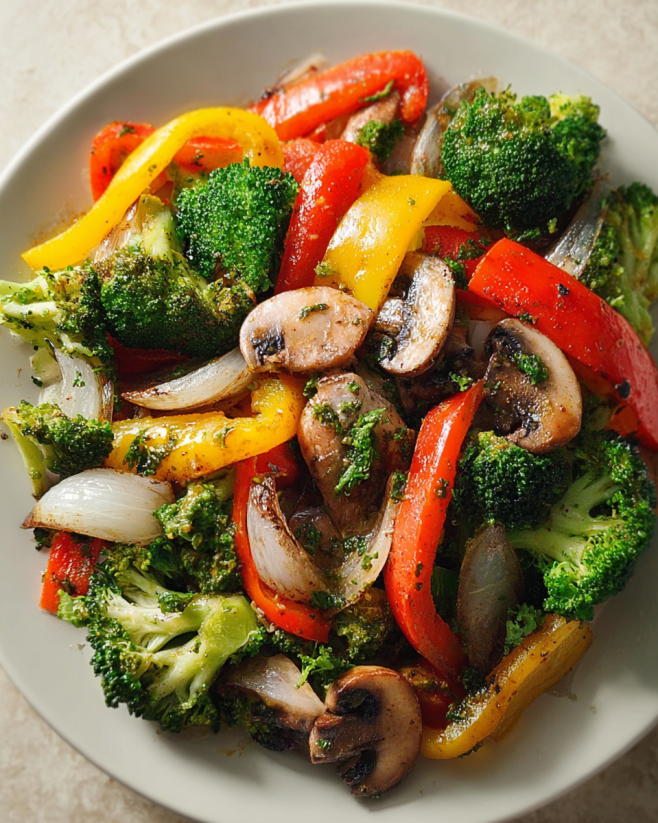
Introduction to Healthy Sautéed Vegetables Recipe
Healthy Sautéed Vegetables Recipe is just what you need! This dish is not only colorful and appetizing but also packed with nutrients. Sautéing vegetables is a fantastic cooking method that helps retain their natural flavors and vibrant colors. Plus, it’s a great way to incorporate a variety of vegetables into your meals.
Why Choose a Healthy Sautéed Vegetables Recipe?
Choosing a healthy sautéed vegetables recipe is a smart decision for several reasons. First, it allows you to use fresh, seasonal produce, which is often more flavorful and nutritious. Second, sautéing requires minimal oil, making it a low-calorie cooking method. This means you can enjoy a hearty serving without worrying about excess fat. Lastly, sautéed vegetables can be a versatile side dish or a main course, fitting seamlessly into any meal plan.
Benefits of Eating Sautéed Vegetables
Eating sautéed vegetables comes with numerous health benefits. For one, they are rich in vitamins and minerals that support overall health. Vegetables like broccoli and bell peppers are high in antioxidants, which help fight free radicals in the body. Additionally, sautéing helps preserve the nutrients in vegetables better than boiling or steaming. This means you get more of the good stuff in every bite!
Moreover, sautéed vegetables are a great source of dietary fiber. Fiber is essential for digestive health and can help keep you feeling full longer. This can be especially beneficial if you’re trying to maintain a healthy weight. So, whether you’re a veggie lover or just starting to explore the world of vegetables, a healthy sautéed vegetables recipe is a delightful way to enjoy all the benefits they offer.
Ingredients for Healthy Sautéed Vegetables Recipe
Healthy Sautéed Vegetables Recipe, you’ll need a variety of fresh ingredients. Here’s a list of what you’ll need:
- 2 tablespoons olive oil
- 1 medium onion, sliced
- 2 cloves garlic, minced
- 1 bell pepper (any color), sliced
- 1 medium zucchini, sliced
- 1 cup broccoli florets
- 1 cup cherry tomatoes, halved
- 1 teaspoon dried oregano
- 1 teaspoon salt
- ½ teaspoon black pepper
- 1 tablespoon balsamic vinegar (optional)
These ingredients come together to create a vibrant dish that is not only tasty but also packed with nutrients. The olive oil provides healthy fats, while the variety of vegetables offers a range of vitamins and minerals. Feel free to adjust the quantities based on your preferences or the number of servings you need. The beauty of this recipe lies in its flexibility!
Additionally, you can explore using seasonal vegetables. For instance, in the spring, you might add asparagus, while in the fall, consider incorporating squash. This way, you can enjoy a fresh and exciting dish every time you prepare it!
Preparation of Healthy Sautéed Vegetables Recipe
Healthy Sautéed Vegetables Recipe. This process is simple and quick, making it perfect for busy weeknights. Let’s break it down step by step!
Step 1: Preparing Your Vegetables
First things first, you need to wash and chop your vegetables. Rinse them under cold water to remove any dirt or pesticides. Then, slice the onion, bell pepper, and zucchini into thin strips. Cut the broccoli into small florets and halve the cherry tomatoes. Properly preparing your vegetables ensures they cook evenly and look appealing on your plate.
Step 2: Choosing the Right Pan
Next, select a large skillet or frying pan for sautéing. A non-stick pan works best, as it prevents the vegetables from sticking and allows for easy cleanup. Make sure the pan is wide enough to hold all your veggies without overcrowding. This helps them cook evenly and retain their crispness.
Step 3: Heating the Oil
Once your pan is ready, pour in the olive oil and heat it over medium heat. Allow the oil to warm up for about a minute. You’ll know it’s ready when it shimmers slightly. Heating the oil properly is crucial, as it helps to sauté the vegetables effectively, enhancing their flavors.
Step 4: Sautéing the Vegetables
Now comes the fun part! Add the sliced onion to the hot oil and sauté for about 3-4 minutes until it turns translucent. Then, stir in the minced garlic and cook for another minute until fragrant. After that, toss in the bell pepper, zucchini, and broccoli. Sauté these vegetables for 5-7 minutes, stirring occasionally. You want them to be tender yet still crisp, preserving their vibrant colors and nutrients.
Step 5: Seasoning Your Dish
Finally, it’s time to add flavor! Add the halved cherry tomatoes, dried oregano, salt, and black pepper to the skillet. Cook for an additional 2-3 minutes until the tomatoes soften slightly. If you like, drizzle balsamic vinegar over the vegetables for an extra zing. Toss everything together to ensure the seasonings coat the veggies evenly. Once done, remove the skillet from heat and get ready to serve!
With these simple steps, you’ll have a delicious and healthy sautéed vegetable dish ready in no time. Enjoy the vibrant colors and flavors that come together in this delightful recipe!
Variation of Healthy Sautéed Vegetables Recipe
Healthy Sautéed Vegetables Recipe is its versatility. You can easily customize it to suit your taste or dietary needs. Let’s explore some exciting variations that can elevate your dish even further!
Adding Proteins to Your Healthy Sautéed Vegetables Recipe
If you want to make your sautéed vegetables more filling, consider adding a source of protein. This not only enhances the dish but also makes it a complete meal. Here are some great options:
- Cooked Chicken: Diced grilled chicken breast can add a lean protein boost. Simply toss it in during the last few minutes of cooking.
- Shrimp: Shrimp cooks quickly and pairs wonderfully with sautéed veggies. Add peeled and deveined shrimp to the skillet and sauté until they turn pink.
- Chickpeas: For a plant-based option, add canned or cooked chickpeas. They are rich in protein and fiber, making your dish hearty and satisfying.
By incorporating these proteins, you’ll create a balanced meal that keeps you energized throughout the day. Plus, it adds a delightful texture to your sautéed vegetables!
Exploring Different Flavor Profiles
Healthy Sautéed Vegetables Recipe unique is by experimenting with different flavor profiles. Here are some ideas to inspire your culinary creativity:
- Asian-Inspired: Add soy sauce, ginger, and sesame oil for a delicious twist. Toss in some sliced mushrooms and snap peas for extra flavor.
- Italian Flair: Incorporate fresh basil, thyme, or rosemary along with a sprinkle of Parmesan cheese. This will give your dish a lovely Italian aroma.
- Spicy Kick: If you enjoy heat, add red pepper flakes or a dash of hot sauce. This will spice things up and add an exciting zing to your vegetables.
Feel free to mix and match these ideas based on your preferences. The beauty of sautéed vegetables is that they can adapt to any cuisine, making them a delightful addition to your meal rotation!
Cooking Note for Healthy Sautéed Vegetables Recipe
Healthy Sautéed Vegetables Recipe, there are a few important cooking notes to keep in mind. These tips will help you achieve the best flavor and texture in your dish, ensuring that every bite is delicious and satisfying.
First, always use fresh vegetables. Fresh produce not only tastes better but also retains more nutrients. Look for vibrant colors and firm textures when selecting your vegetables. If you can, buy organic to avoid pesticides and support local farmers.
Next, consider the size of your vegetable pieces. Cutting them into uniform sizes ensures even cooking. If some pieces are larger than others, they may take longer to cook, leading to uneven textures. Aim for bite-sized pieces that will cook at the same rate.
Another key point is to avoid overcrowding the pan. If you add too many vegetables at once, they will steam instead of sauté. This can result in a soggy texture rather than the desired crispness. If you have a lot of vegetables, sauté them in batches to maintain that perfect crunch.
Lastly, don’t rush the cooking process. Sautéing is about developing flavors. Allow the vegetables to cook long enough to caramelize slightly, which enhances their natural sweetness. Stir occasionally, but not too often, to let them brown nicely.
By following these cooking notes, you’ll create a vibrant and flavorful sautéed vegetable dish that everyone will love. Enjoy the process and the delightful aromas that fill your kitchen!
Serving Suggestions for Healthy Sautéed Vegetables Recipe
Healthy Sautéed Vegetables Recipe, it’s time to think about how to serve them. This dish is not only versatile but also pairs wonderfully with various grains and proteins. Let’s explore some fantastic serving suggestions that will elevate your meal!
Pairing with Grains and Proteins
One of the best ways to enjoy your sautéed vegetables is by pairing them with grains and proteins. This combination creates a balanced meal that is both satisfying and nutritious. Here are some great options:
- Quinoa: This protein-packed grain is a perfect match for sautéed vegetables. Its nutty flavor complements the dish beautifully. Simply serve the sautéed veggies over a bed of fluffy quinoa for a wholesome meal.
- Brown Rice: Brown rice adds a hearty texture and is rich in fiber. Serve your sautéed vegetables on top of warm brown rice for a filling and nutritious dish.
- Whole Wheat Pasta: Toss your sautéed vegetables with whole wheat pasta for a delightful and colorful pasta dish. Drizzle with olive oil and sprinkle with Parmesan cheese for added flavor.
- Grilled Chicken or Fish: For a protein boost, serve your sautéed vegetables alongside grilled chicken or fish. The lightness of the veggies pairs well with the savory flavors of the protein.
These pairings not only enhance the taste but also provide a variety of nutrients, making your meal more balanced and enjoyable.
Creative Ways to Serve Sautéed Vegetables
In addition to traditional pairings, there are many creative ways to serve your sautéed vegetables. Here are some fun ideas to inspire you:
- Veggie Tacos: Use sautéed vegetables as a filling for soft or hard taco shells. Top with avocado, salsa, and fresh cilantro for a tasty twist.
- Stuffed Peppers: Fill halved bell peppers with sautéed vegetables and quinoa or rice. Bake until the peppers are tender for a colorful and nutritious dish.
- Omelets or Frittatas: Incorporate your sautéed vegetables into an omelet or frittata for a delicious breakfast or brunch option. Add cheese for extra flavor!
- Salads: Toss warm sautéed vegetables into a fresh salad. The warmth will slightly wilt the greens, creating a delightful texture contrast.
These creative serving ideas will not only make your meals more exciting but also encourage you to enjoy your vegetables in new and delicious ways. So, get ready to impress your family and friends with your culinary skills!
Tips for Perfecting Your Healthy Sautéed Vegetables Recipe
Healthy Sautéed Vegetables Recipe, there are some essential tips to keep in mind. These tips will help you achieve the perfect balance of flavor, texture, and nutrition in your dish. Let’s dive into the details!
Choosing the Right Vegetables
Choosing the right vegetables is crucial for a successful sautéed dish. Here are some tips to guide you:
- Freshness is Key: Always opt for fresh vegetables. Look for vibrant colors and firm textures. Fresh produce not only tastes better but also retains more nutrients.
- Seasonal Selections: Use seasonal vegetables for the best flavor. For example, in summer, zucchini and bell peppers shine, while root vegetables like carrots and sweet potatoes are great in winter.
- Mix and Match: Combine different vegetables for a colorful and nutritious dish. Aim for a variety of textures and flavors. For instance, pairing crunchy broccoli with tender zucchini creates a delightful contrast.
- Consider Cooking Times: Some vegetables cook faster than others. For example, bell peppers and zucchini cook quickly, while carrots and broccoli may take a bit longer. Cut them into similar sizes to ensure even cooking.
By carefully selecting your vegetables, you’ll enhance the overall taste and presentation of your sautéed dish.
Timing and Temperature Tips
Timing and temperature play a significant role in achieving perfectly sautéed vegetables. Here are some helpful tips:
- Preheat Your Pan: Always preheat your skillet before adding oil. This helps to create a nice sear on the vegetables, enhancing their flavors.
- Medium Heat is Ideal: Sautéing on medium heat allows the vegetables to cook evenly without burning. If the heat is too high, they may char on the outside while remaining raw inside.
- Don’t Rush the Process: Give your vegetables enough time to caramelize. This brings out their natural sweetness and adds depth to the flavor. Stir occasionally, but let them sit for a minute or two to develop a nice golden color.
- Cook in Batches if Necessary: If you have a lot of vegetables, sauté them in batches. Overcrowding the pan can lead to steaming instead of sautéing, resulting in soggy veggies.
By paying attention to timing and temperature, you’ll create a sautéed vegetable dish that is both flavorful and visually appealing. Enjoy the process and savor the delightful aromas that fill your kitchen!
Tips for Perfecting Your Healthy Sautéed Vegetables Recipe
Healthy Sautéed Vegetables Recipe, there are some essential tips to keep in mind. These tips will help you achieve the perfect balance of flavor, texture, and nutrition in your dish. Let’s dive into the details!
Choosing the Right Vegetables
Choosing the right vegetables is crucial for a successful sautéed dish. Here are some tips to guide you:
- Freshness is Key: Always opt for fresh vegetables. Look for vibrant colors and firm textures. Fresh produce not only tastes better but also retains more nutrients.
- Seasonal Selections: Use seasonal vegetables for the best flavor. For example, in summer, zucchini and bell peppers shine, while root vegetables like carrots and sweet potatoes are great in winter.
- Mix and Match: Combine different vegetables for a colorful and nutritious dish. Aim for a variety of textures and flavors. For instance, pairing crunchy broccoli with tender zucchini creates a delightful contrast.
- Consider Cooking Times: Some vegetables cook faster than others. For example, bell peppers and zucchini cook quickly, while carrots and broccoli may take a bit longer. Cut them into similar sizes to ensure even cooking.
By carefully selecting your vegetables, you’ll enhance the overall taste and presentation of your sautéed dish.
Timing and Temperature Tips
Timing and temperature play a significant role in achieving perfectly sautéed vegetables. Here are some helpful tips:
- Preheat Your Pan: Always preheat your skillet before adding oil. This helps to create a nice sear on the vegetables, enhancing their flavors.
- Medium Heat is Ideal: Sautéing on medium heat allows the vegetables to cook evenly without burning. If the heat is too high, they may char on the outside while remaining raw inside.
- Don’t Rush the Process: Give your vegetables enough time to caramelize. This brings out their natural sweetness and adds depth to the flavor. Stir occasionally, but let them sit for a minute or two to develop a nice golden color.
- Cook in Batches if Necessary: If you have a lot of vegetables, sauté them in batches. Overcrowding the pan can lead to steaming instead of sautéing, resulting in soggy veggies.
By paying attention to timing and temperature, you’ll create a sautéed vegetable dish that is both flavorful and visually appealing. Enjoy the process and savor the delightful aromas that fill your kitchen!
Breakdown of Time for Healthy Sautéed Vegetables Recipe
Healthy Sautéed Vegetables Recipe can help you plan your meal better. Here’s a quick breakdown of the time required for preparation and cooking.
Prep Time
The prep time for this recipe is quite short, making it perfect for busy days. You’ll need about 10-15 minutes to wash, chop, and prepare your vegetables. This includes:
- Washing the vegetables: 2-3 minutes
- Slicing the onion, bell pepper, and zucchini: 5 minutes
- Cutting broccoli into florets and halving cherry tomatoes: 3-5 minutes
With a little organization, you can have everything ready in no time!
Cooking Time
The cooking time for your sautéed vegetables is approximately 15-20 minutes. Here’s how it breaks down:
- Heating the oil and sautéing the onion: 4 minutes
- Cooking the garlic: 1 minute
- Sautéing the bell pepper, zucchini, and broccoli: 5-7 minutes
- Adding cherry tomatoes and seasoning: 2-3 minutes
This quick cooking method ensures that your vegetables remain crisp and flavorful!
Total Time
In total, you can expect to spend about 25-35 minutes from start to finish. This includes both prep and cooking time. It’s a fantastic option for a healthy meal that doesn’t take all evening to prepare. With just a little effort, you can enjoy a delicious plate of sautéed vegetables that are both nutritious and satisfying!
Nutritional Information for Healthy Sautéed Vegetables Recipe
Healthy Sautéed Vegetables Recipe not only tastes great but also offers a variety of health benefits. Let’s take a closer look at the nutritional information for this delicious dish.
Calories
Each serving of the sautéed vegetables contains approximately 120 calories. This makes it a low-calorie option that can fit well into any meal plan. The combination of fresh vegetables provides a satisfying dish without adding excessive calories. You can enjoy a generous portion without feeling guilty!
Protein
In terms of protein, this recipe offers about 3 grams per serving. While vegetables are not typically high in protein, they do contribute to your daily intake. If you want to boost the protein content, consider adding chicken, shrimp, or chickpeas, as mentioned earlier. This way, you can create a more balanced meal that keeps you feeling full and energized.
Sodium
The sodium content in this sautéed vegetable dish is around 300 milligrams per serving, primarily from the added salt. This is a moderate amount, making it suitable for most diets. However, if you are watching your sodium intake, you can easily reduce the salt or use low-sodium alternatives. Remember, fresh vegetables are naturally low in sodium, so you can enjoy this dish without worrying too much about salt levels.
Healthy Sautéed Vegetables Recipe is a nutritious choice that provides essential vitamins and minerals while being low in calories. It’s a fantastic way to incorporate more vegetables into your diet, promoting better health and well-being!
FAQs about Healthy Sautéed Vegetables Recipe
What vegetables are best for sautéing?
When it comes to sautéing, some vegetables work better than others. The best vegetables for sautéing are those that cook quickly and retain their texture. Here are some top choices:
- Bell Peppers: They add color and sweetness, cooking quickly while maintaining a nice crunch.
- Zucchini: This vegetable cooks fast and has a mild flavor that pairs well with others.
- Broccoli: Broccoli florets become tender yet crisp when sautéed, making them a great addition.
- Carrots: Thinly sliced or julienned carrots add a sweet crunch and vibrant color.
- Green Beans: These cook quickly and provide a satisfying snap when bitten.
Feel free to mix and match these vegetables based on your preferences. The key is to choose fresh, seasonal produce for the best flavor!
Can I use frozen vegetables in a Healthy Sautéed Vegetables Recipe?
Healthy Sautéed Vegetables Recipe. However, there are a few things to keep in mind:
- Thaw First: It’s best to thaw frozen vegetables before sautéing. This helps them cook evenly and prevents excess moisture from making them soggy.
- Adjust Cooking Time: Frozen vegetables may take a little longer to cook than fresh ones. Keep an eye on them to ensure they don’t overcook.
- Flavor Considerations: Frozen vegetables may have a slightly different texture and flavor compared to fresh. However, they can still be a convenient and nutritious option.
Using frozen vegetables can save time and reduce waste, making them a practical choice for busy cooks!
How do I make my sautéed vegetables more flavorful?
Enhancing the flavor of your sautéed vegetables is easy with a few simple tricks. Here are some ideas to elevate your dish:
- Use Fresh Herbs: Adding fresh herbs like basil, parsley, or cilantro at the end of cooking can brighten the flavors.
- Incorporate Spices: Experiment with spices such as cumin, paprika, or turmeric to add depth and warmth.
- Acid is Key: A splash of lemon juice or vinegar (like balsamic or apple cider) can brighten the dish and enhance the flavors.
- Cook with Aromatics: Sautéing onions and garlic at the beginning adds a wonderful base flavor to your vegetables.
- Top with Cheese: A sprinkle of grated Parmesan or feta cheese can add a savory touch that complements the veggies.
With these tips, you can create a flavorful sautéed vegetable dish that will impress your family and friends!
Is sautéing vegetables healthy?
Yes, sautéing vegetables is a healthy cooking method! Here are a few reasons why:
- Retains Nutrients: Sautéing helps preserve the vitamins and minerals in vegetables better than boiling or steaming.
- Low in Fat: Using a small amount of healthy oil, like olive oil, keeps the dish low in calories while providing essential fats.
- Encourages Vegetable Consumption: Sautéed vegetables are delicious and can encourage people to eat more veggies, which is beneficial for overall health.
- Quick Cooking: Sautéing is a fast method that helps maintain the texture and flavor of the vegetables.
Overall, sautéing is a nutritious and tasty way to prepare vegetables, making it a great addition to your cooking repertoire!
Conclusion on Healthy Sautéed Vegetables Recipe
Healthy Sautéed Vegetables Recipe is not just a simple dish; it’s a celebration of flavors, colors, and nutrition. This recipe allows you to enjoy a variety of fresh vegetables, making it a fantastic choice for anyone looking to enhance their diet. With its quick preparation and cooking time, it fits perfectly into busy lifestyles while still delivering a satisfying meal.
By incorporating seasonal produce and experimenting with different flavor profiles, you can create a unique dish every time. Whether you choose to serve it as a side or make it the star of your meal by adding proteins, the possibilities are endless. Plus, the health benefits of sautéed vegetables are numerous, from boosting your vitamin intake to supporting digestive health.
Remember, the key to a successful sautéed vegetable dish lies in the freshness of your ingredients and the techniques you use. With the tips and variations provided, you can easily master this cooking method and impress your family and friends with your culinary skills. So, gather your favorite vegetables, heat up that skillet, and enjoy the delightful experience of sautéing!
Healthy Sautéed Vegetables Recipe, you can enjoy delicious meals that nourish your body and satisfy your taste buds. Happy cooking!
Healthy Sautéed Vegetables
Ingredients
Equipment
Method
- Wash and chop your vegetables. Rinse them under cold water, slice the onion, bell pepper, and zucchini into thin strips, cut the broccoli into small florets, and halve the cherry tomatoes.
- Select a large skillet or frying pan for sautéing. A non-stick pan works best.
- Pour in the olive oil and heat it over medium heat for about 1 minute until it shimmers.
- Add the sliced onion to the hot oil and sauté for 3-4 minutes until translucent. Stir in the minced garlic and cook for another minute until fragrant.
- Toss in the bell pepper, zucchini, and broccoli. Sauté for 5-7 minutes, stirring occasionally until tender yet still crisp.
- Add the halved cherry tomatoes, dried oregano, salt, and black pepper. Cook for an additional 2-3 minutes until the tomatoes soften slightly.
- If desired, drizzle balsamic vinegar over the vegetables, toss everything together, and remove from heat.
